


50th Anniversary of the Helsinki Final Act
50th Anniversary of the Helsinki Final Act
Roundtable
Abstract
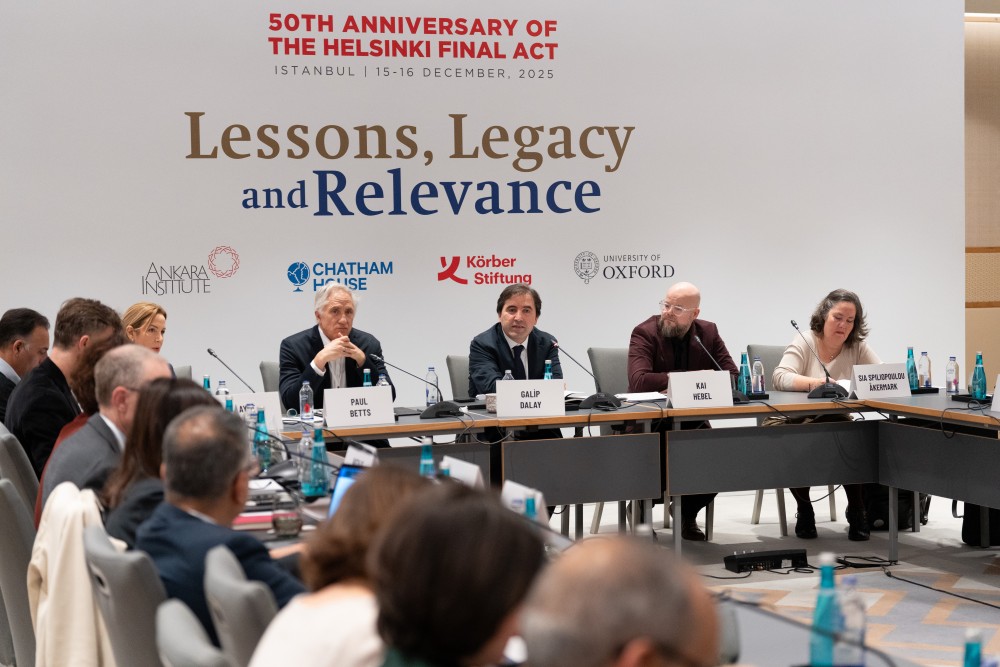
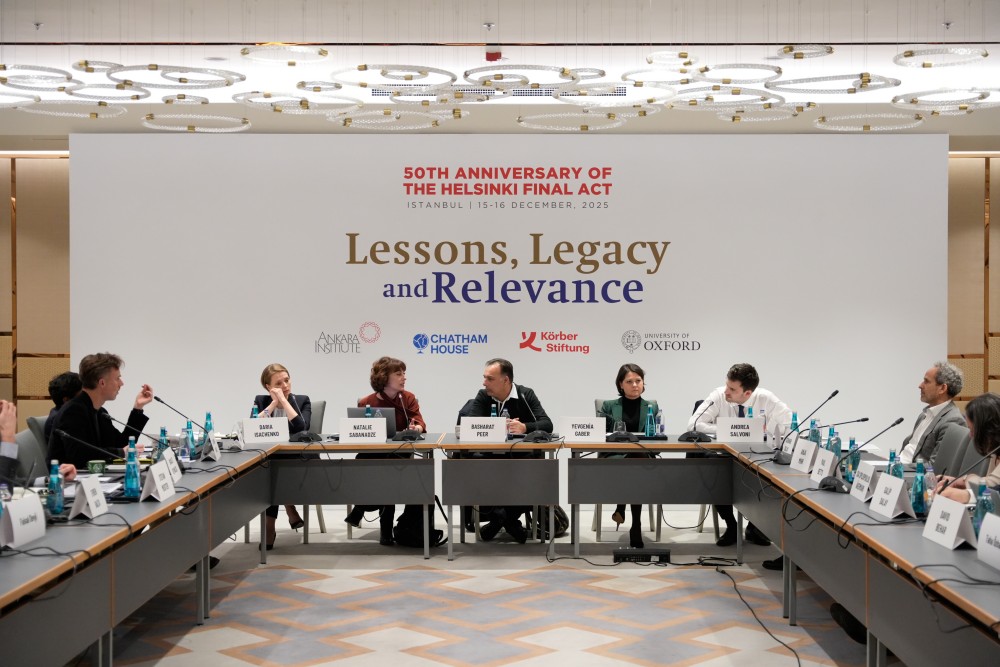
On the occasion of the 50th anniversary of the Helsinki Final Act, the roundtable, co-organised by Oxford University (Programme on Global Orders), Körber-Stiftung, Chatham House, and Ankara Institute, will revisit the Helsinki principles—sovereignty, territorial integrity, and non-interference—and explore how they resonate in today's multipolar world.
The discussion will draw on the "Helsinki Spirit," where linking mutual security to respect for human rights helped erode the Iron Curtain and lay the groundwork for the peaceful end of the Cold War.
Agenda
This session will focus on the context that facilitated the Helsinki Final Act as well as the significance and implications of these accords.
- What were the driving factors that led to the launch of Helsinki diplomacy?
- What goals did the leading actors of Helsinki diplomacy seek to achieve?
- What were the necessary systemic and contextual factors that enabled the Helsinki Process and the Final Act?
- What is the historical and contemporary significance of the Helsinki Final Act (Accords)?
- What role did civil society and human-rights actors play in this process?
- What were the immediate and long-term implications of the Act?
This session will focus on the unique features, terms like "Helsinki effect", and the legacy of the process.
- What were the unique features of the Helsinki diplomacy?
- What did the terms like “Helsinki effect” and/or “Helsinki Spirit” signify? How relevant are they for today’s world?
- What has been its legacy?
- How did this process redefine civil, political and security landscape of Europe?
- How particular or global is the Helsinki experience?
Learning from the past, shaping the present
This session will focus on what a diplomatic settlement should look like and the preconditions it entails.
- What are the relevant lessons of the Helsinki Process for Ukraine diplomacy?
- What should be the structure and goal of international diplomacy to deliver a settlement in Ukraine?
- Which international institution or mechanism can play an effective role in such a diplomacy?
- What preconditions need to be met for a ceasefire, and then for a settlement, in Ukraine?
- What should this settlement entail?
- What should be the overarching goals of such a diplomacy and settlement?
This session will focus on how the question of European security, the place of Russia and the US, and security guarantees are evolving.
- What are the priorities of major stakeholders (the US, EU, UK, and Turkey) in any diplomatic settlement in Ukraine?
- What should be the nature and goal of their engagement with Russia?
- What is the "coalition of the willing" trying to achieve? How able is this grouping?
- What security guarantees can major European actors and the US offer to Ukraine?
- What are the likely scenarios in European-Russian relations as well as the US-Russian relations?
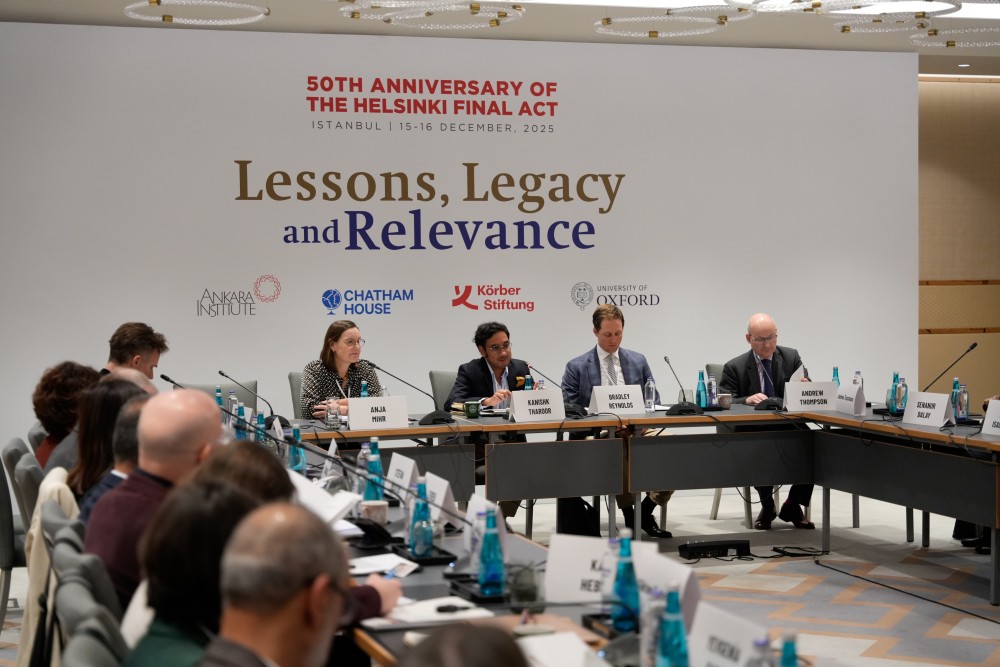
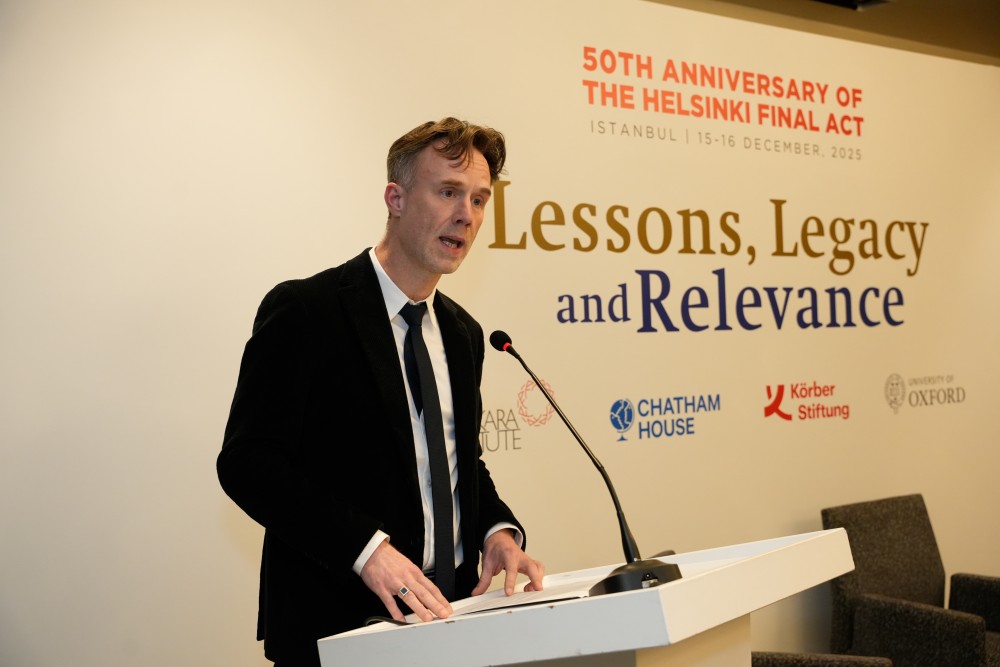
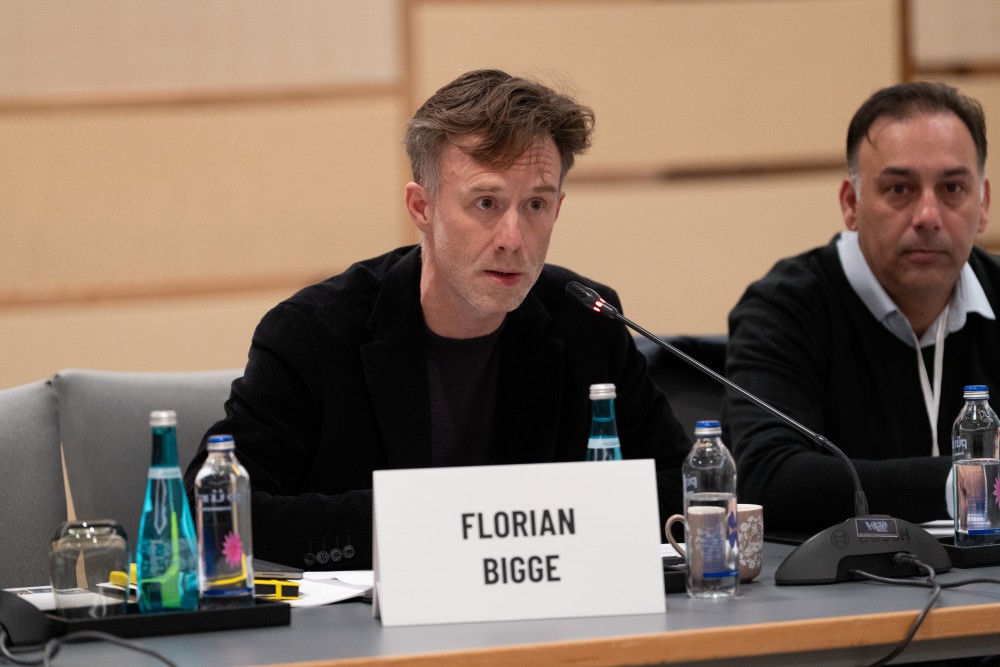
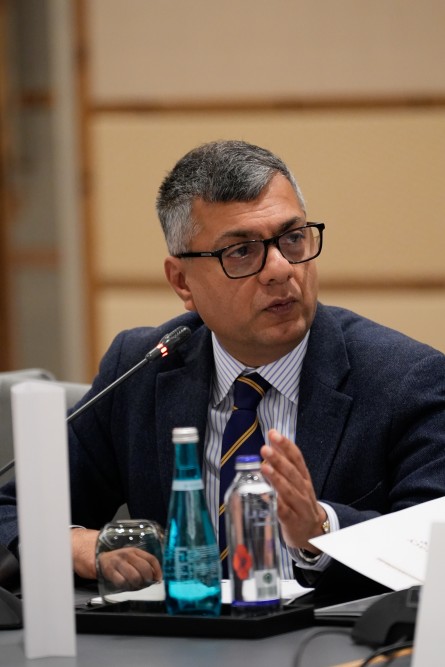
Event Gallery
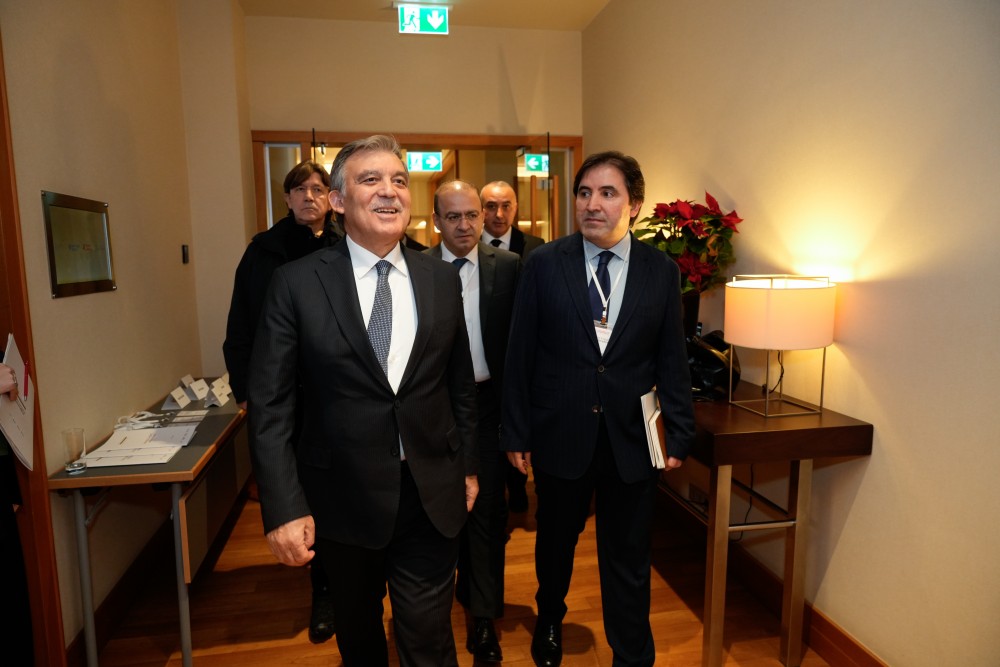
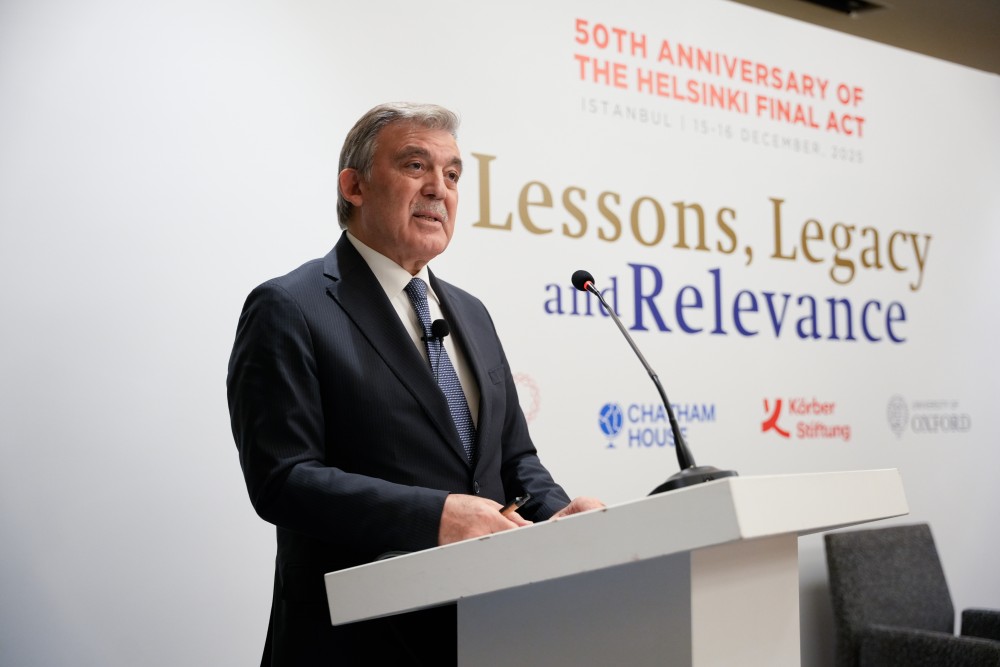
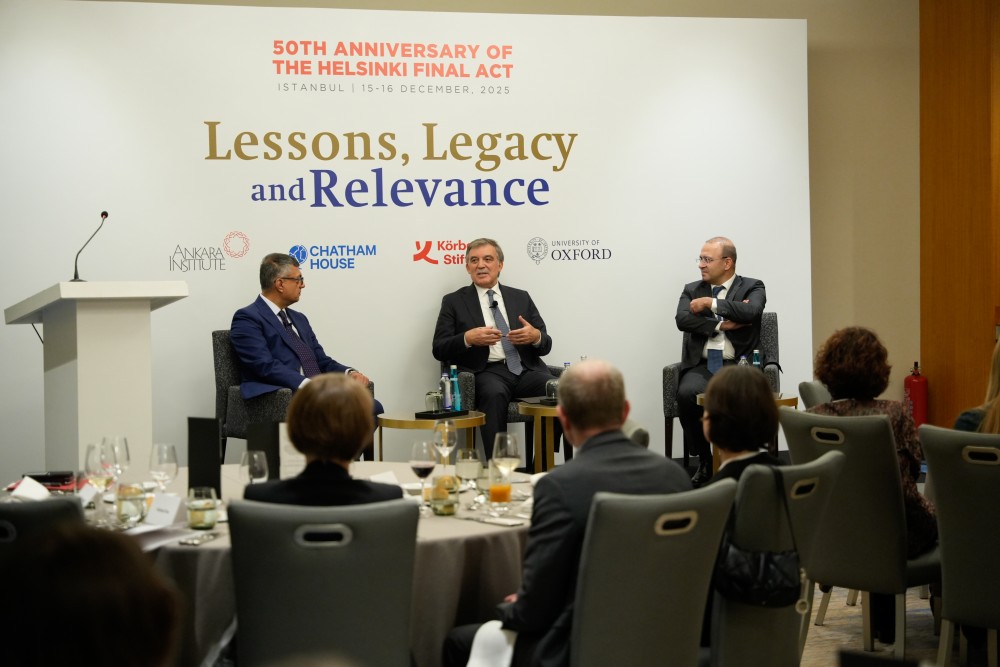
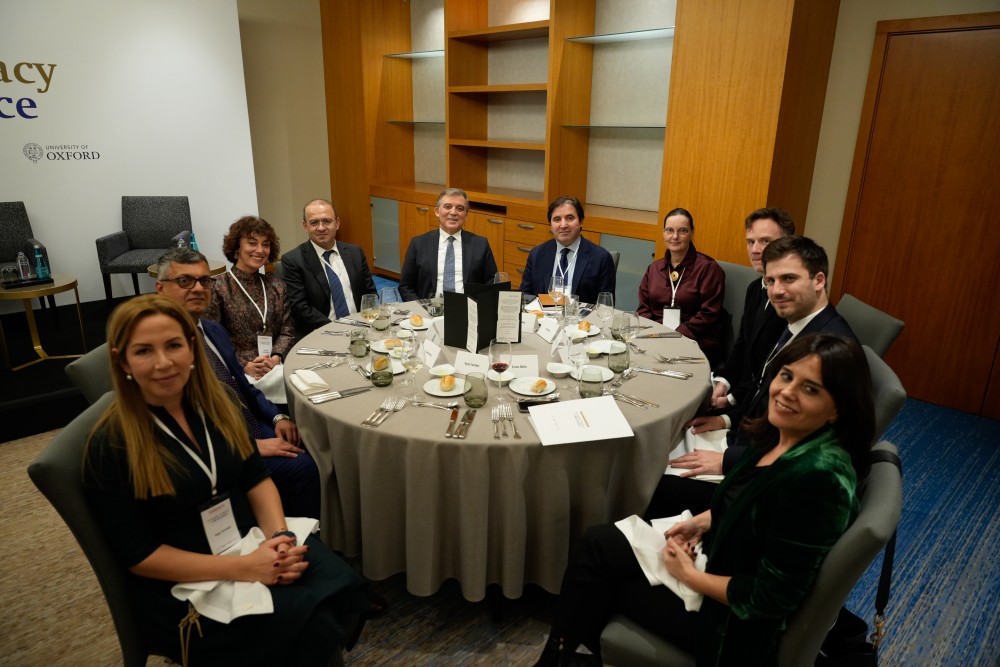
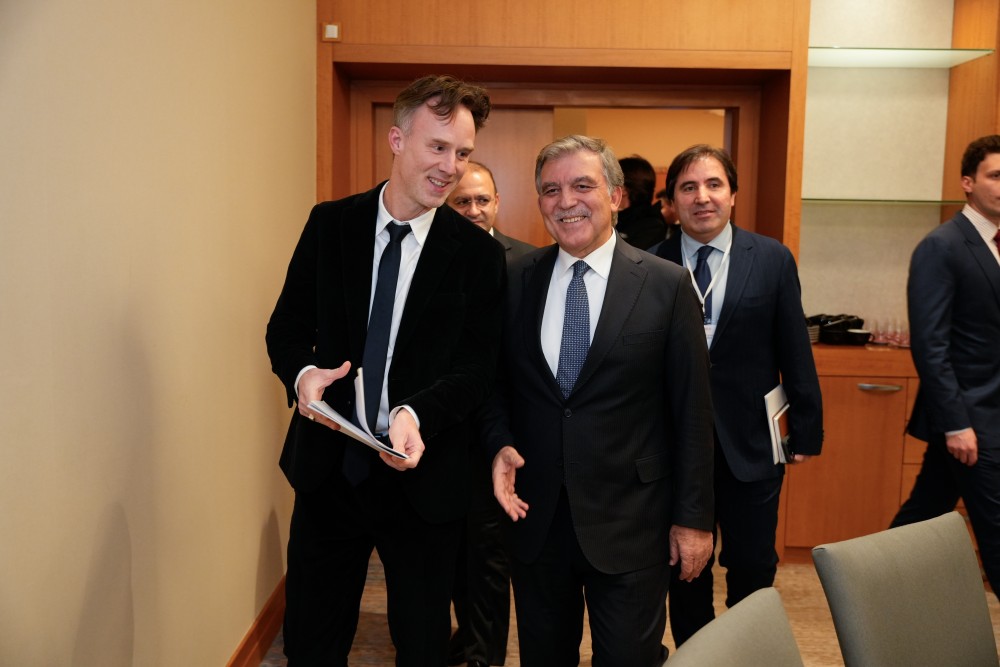
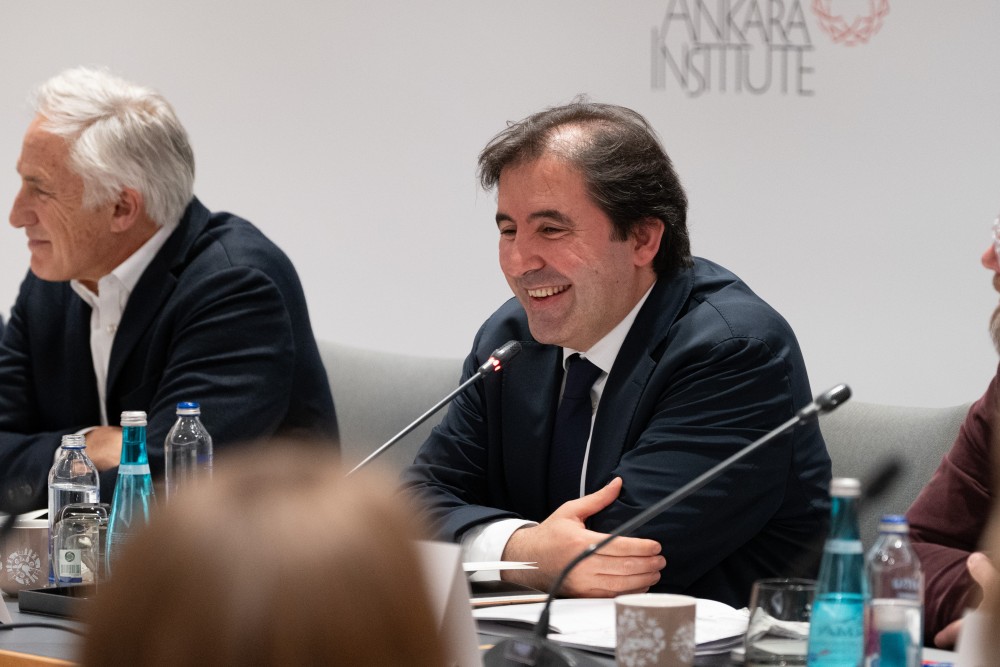
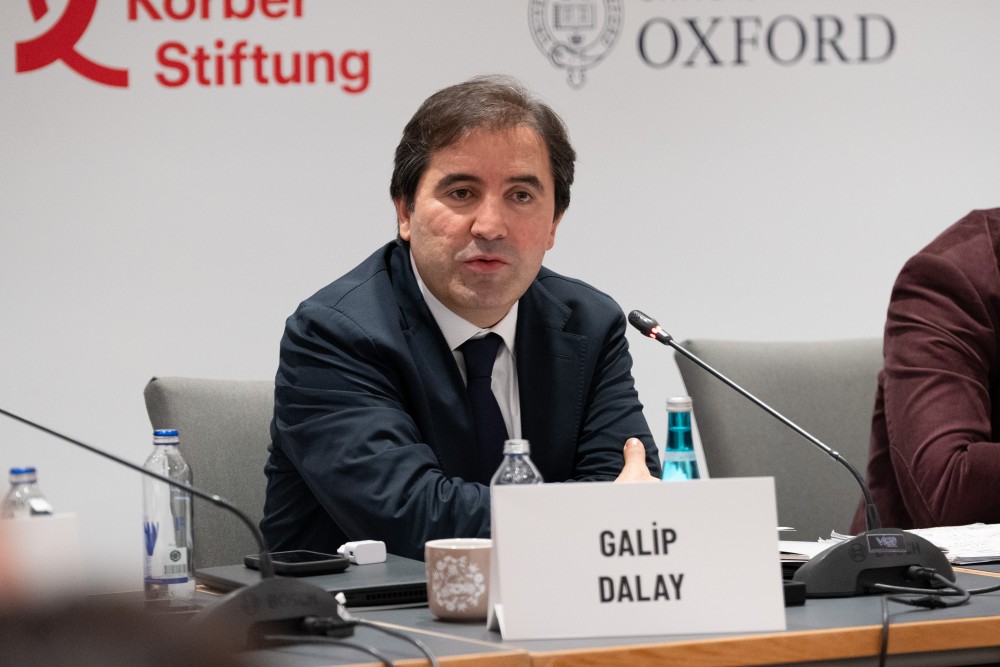
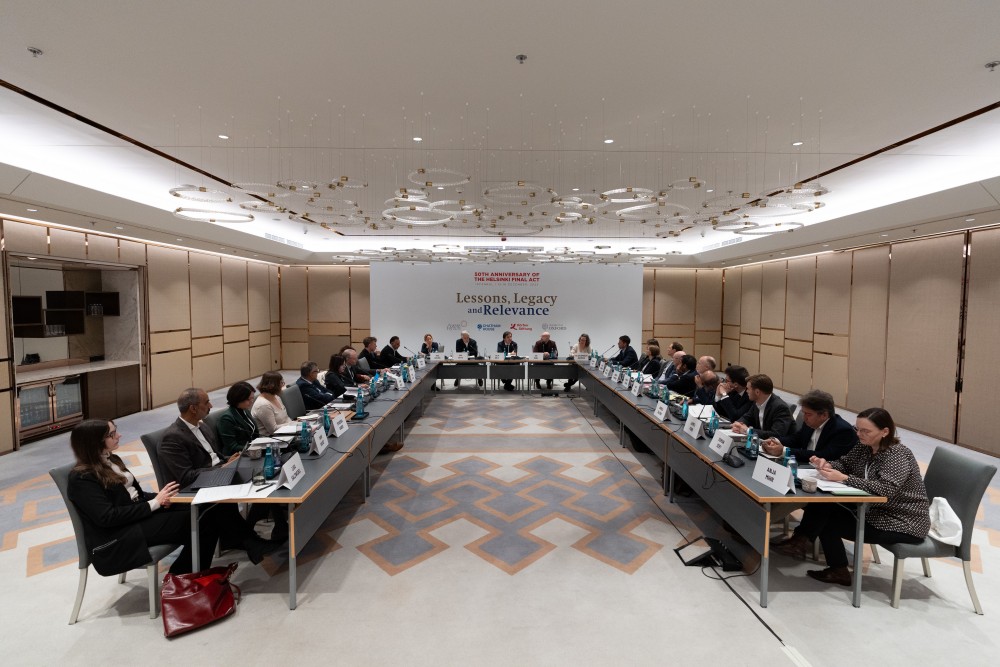
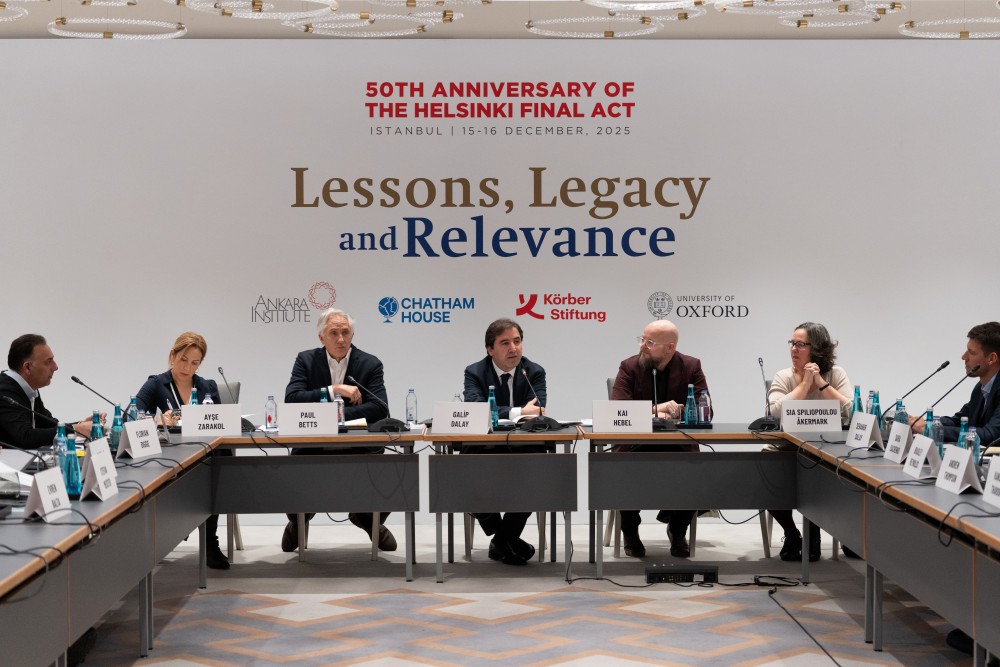
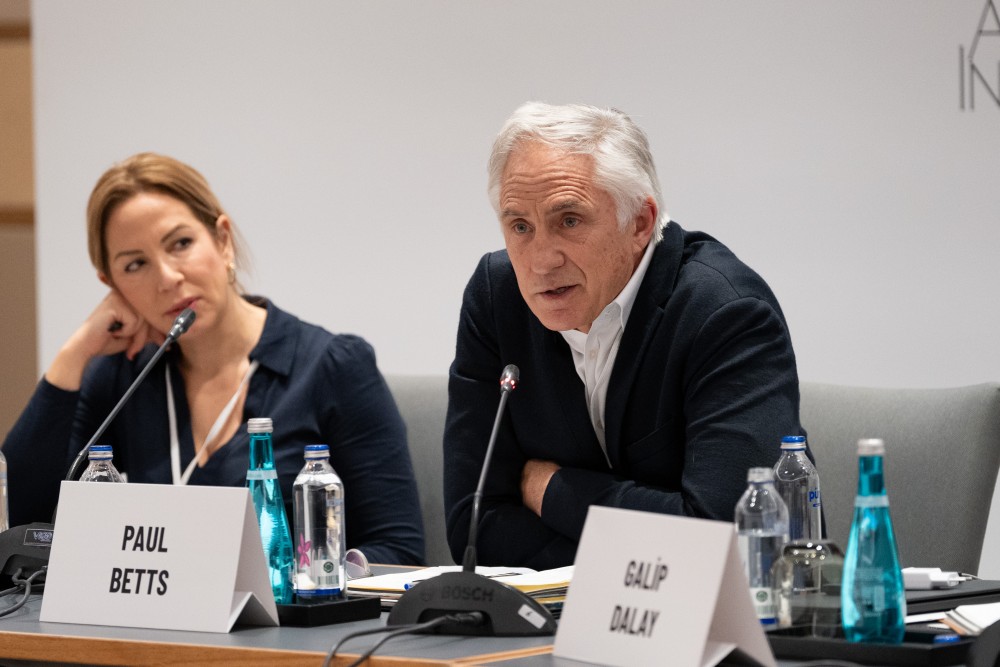
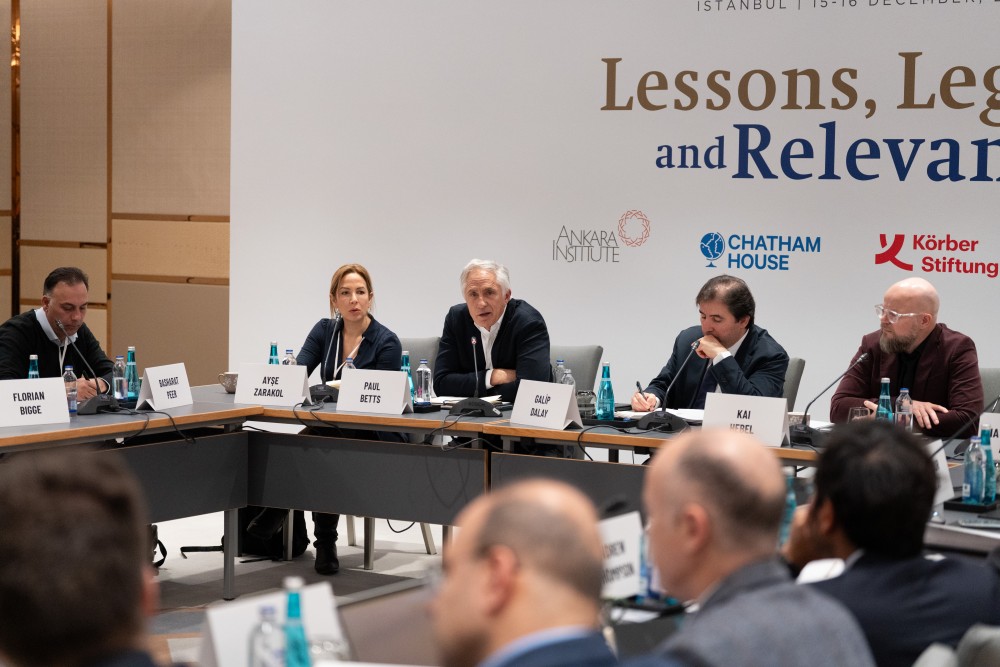
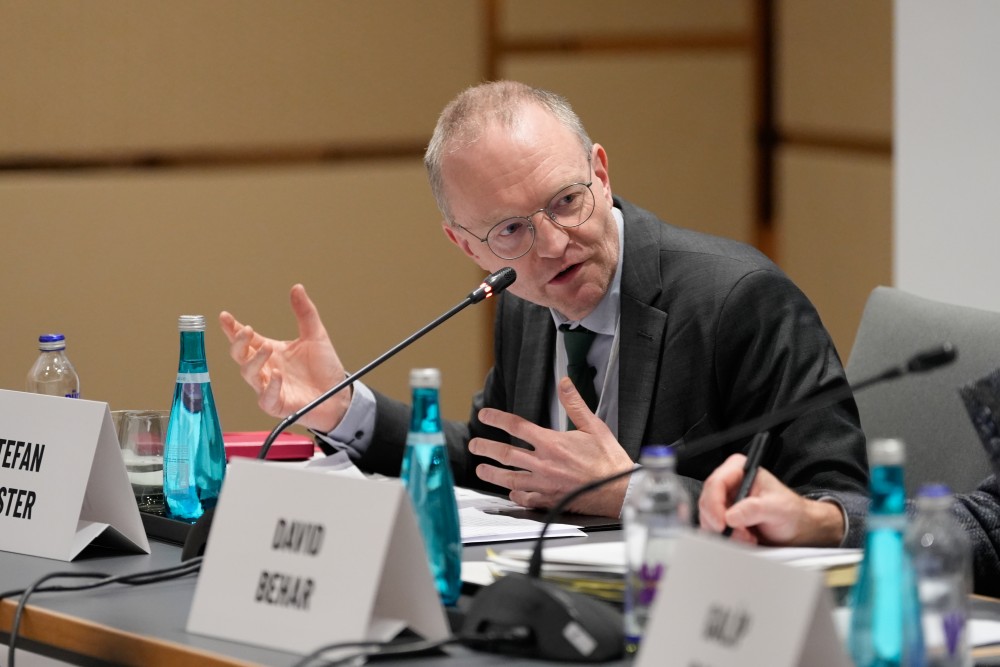
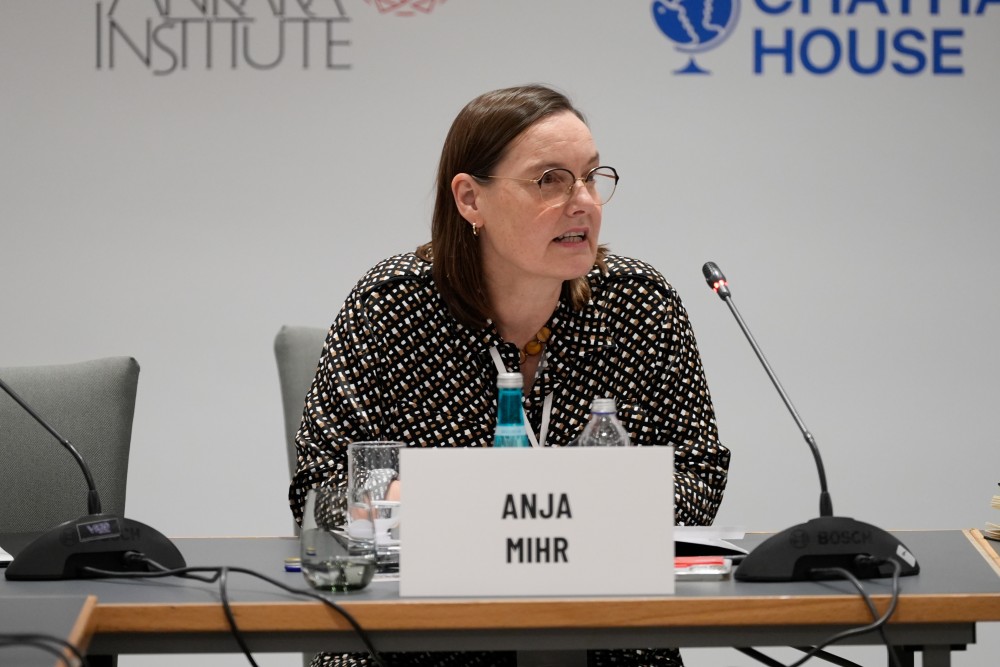
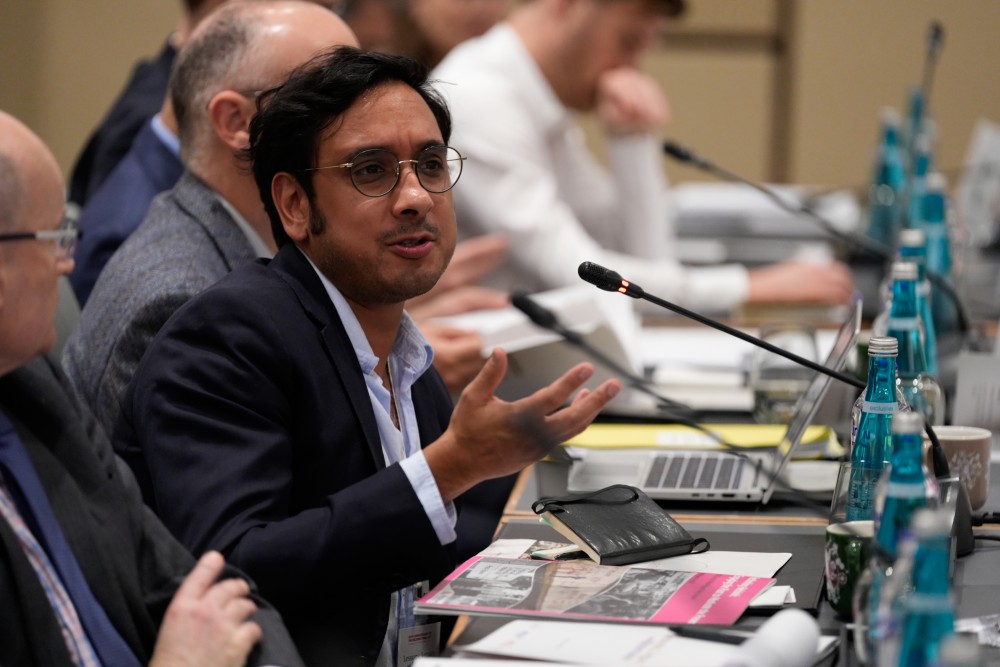
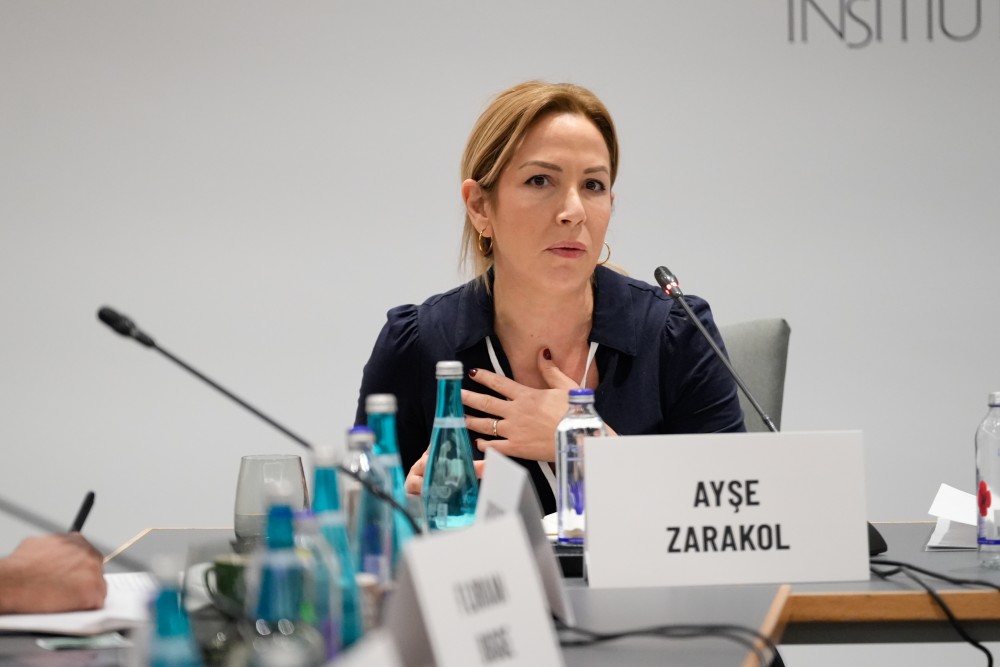
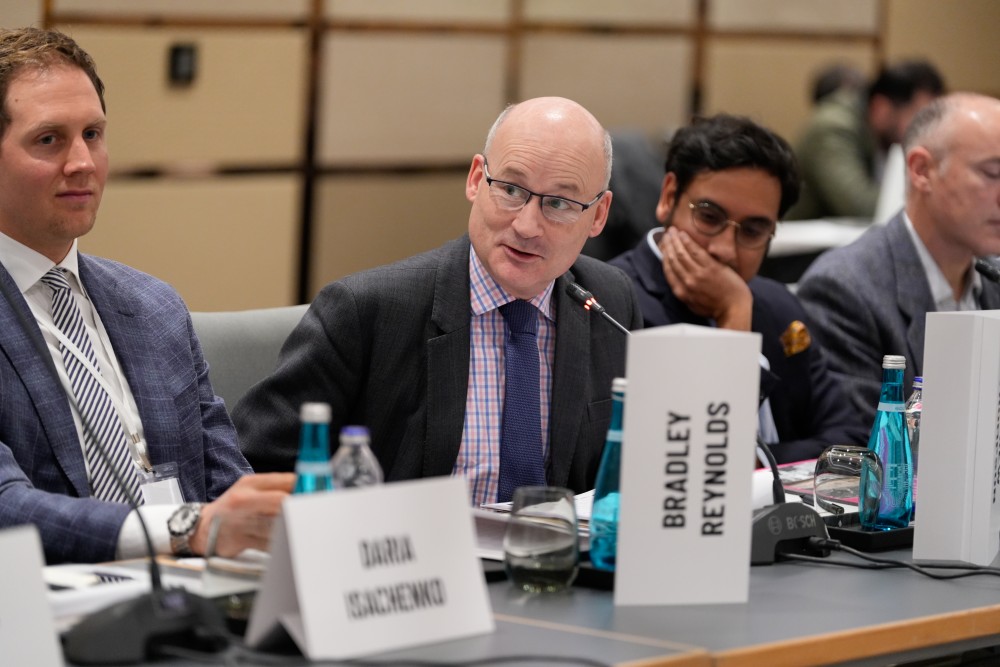
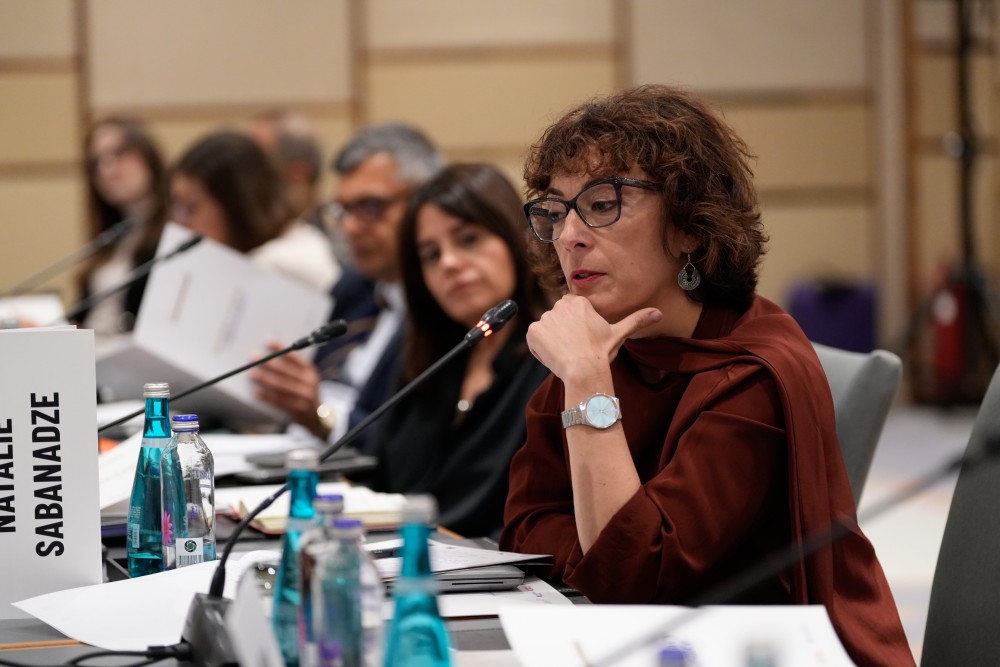
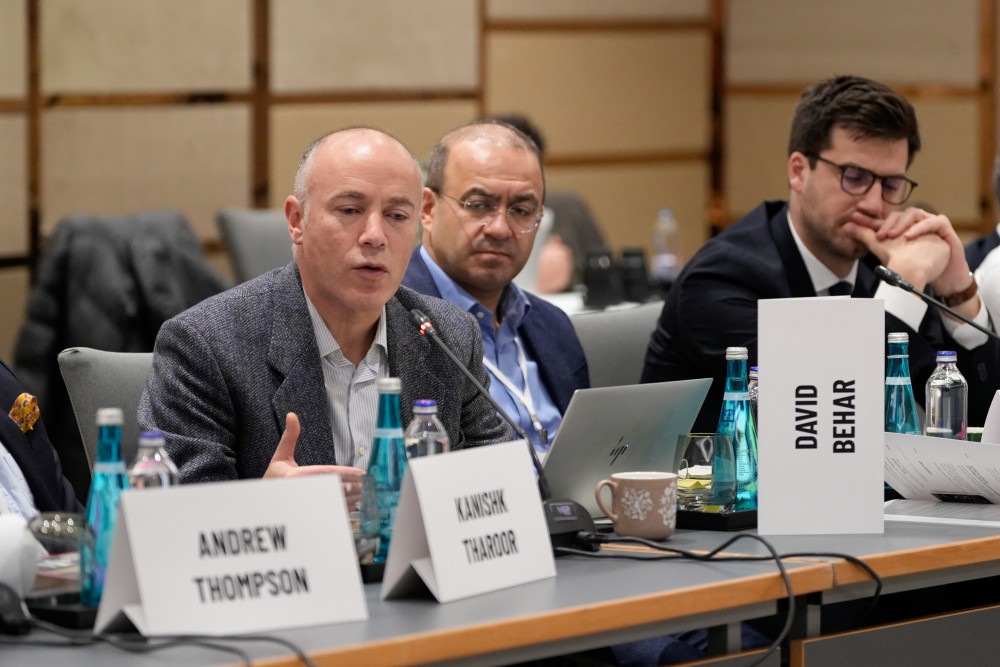
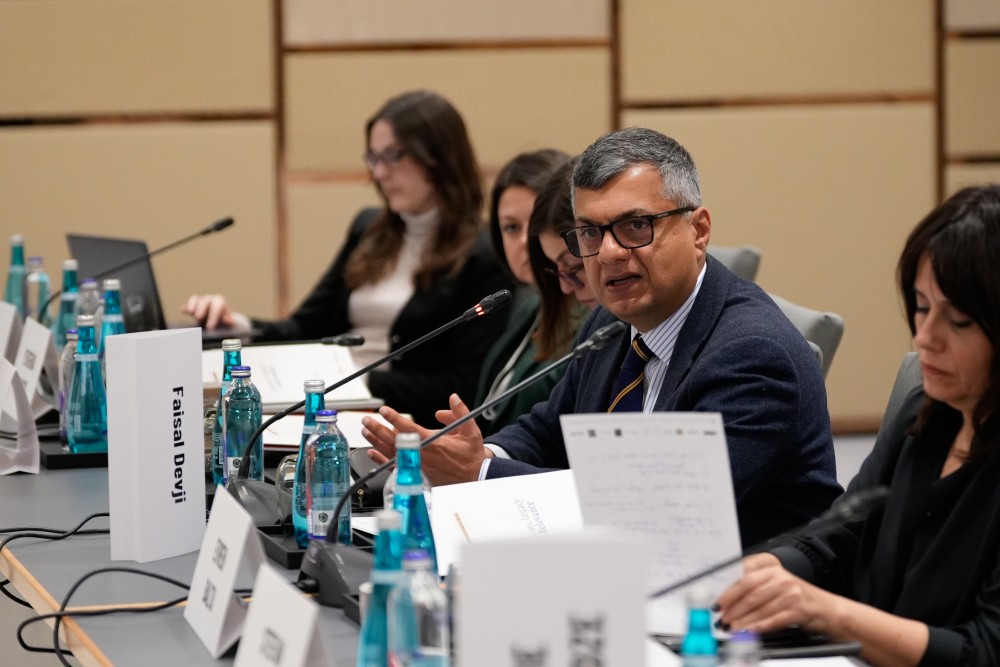
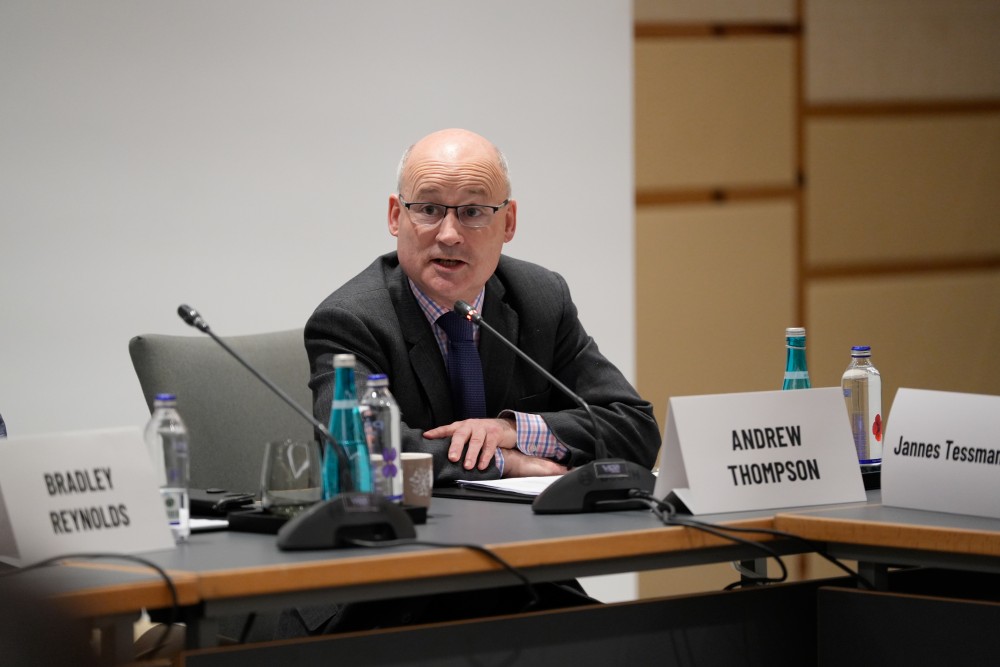
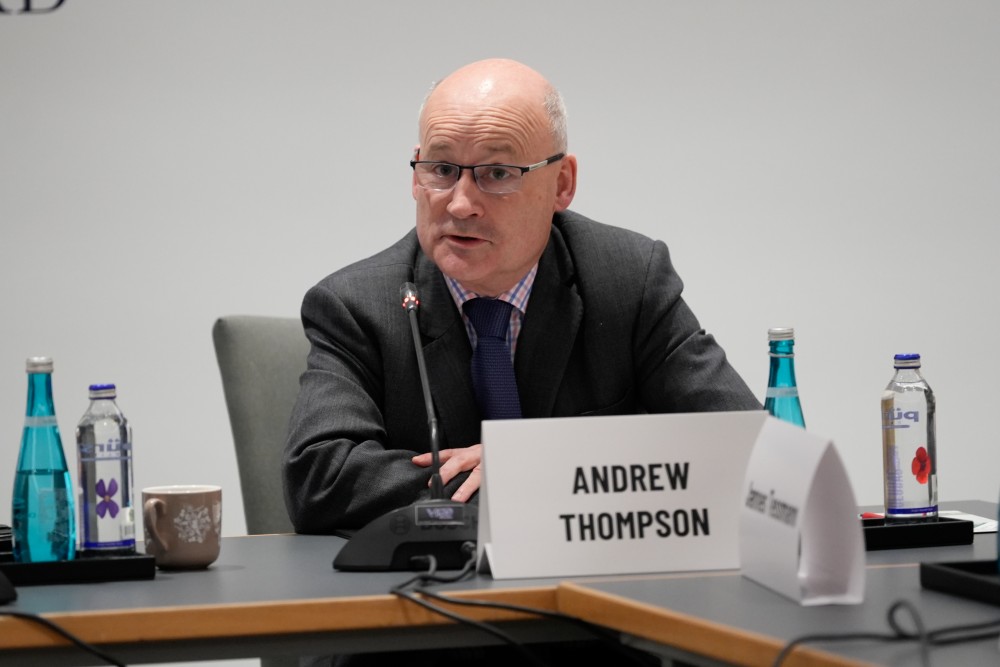
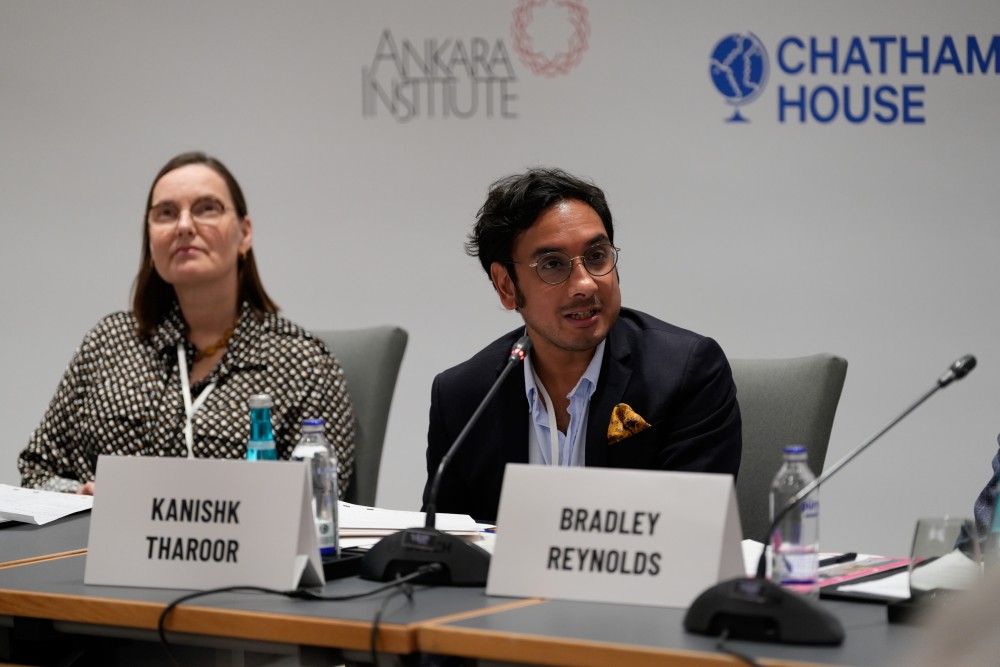
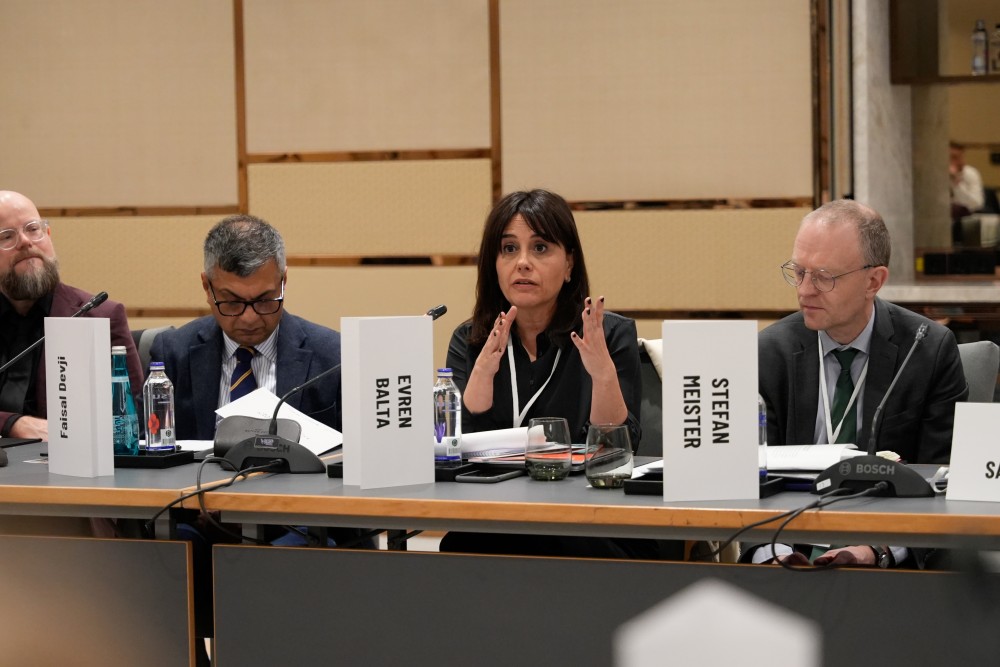
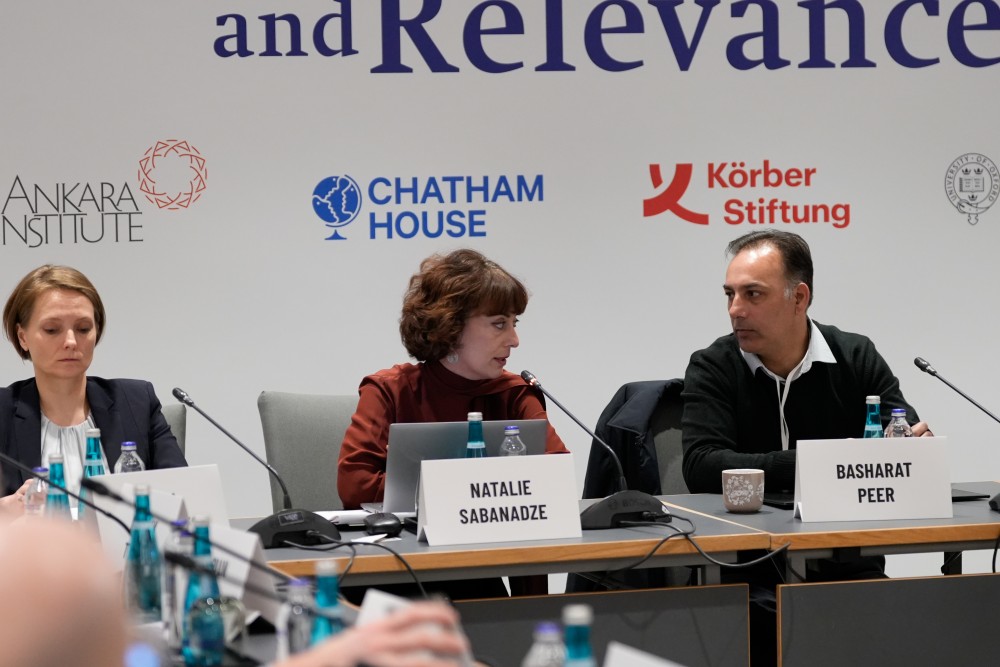
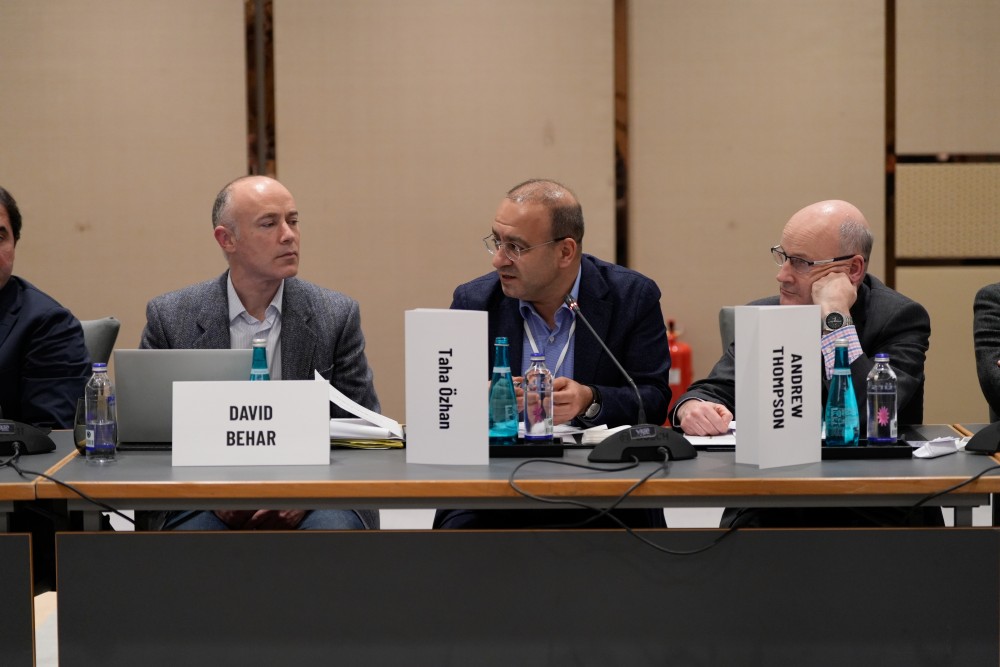
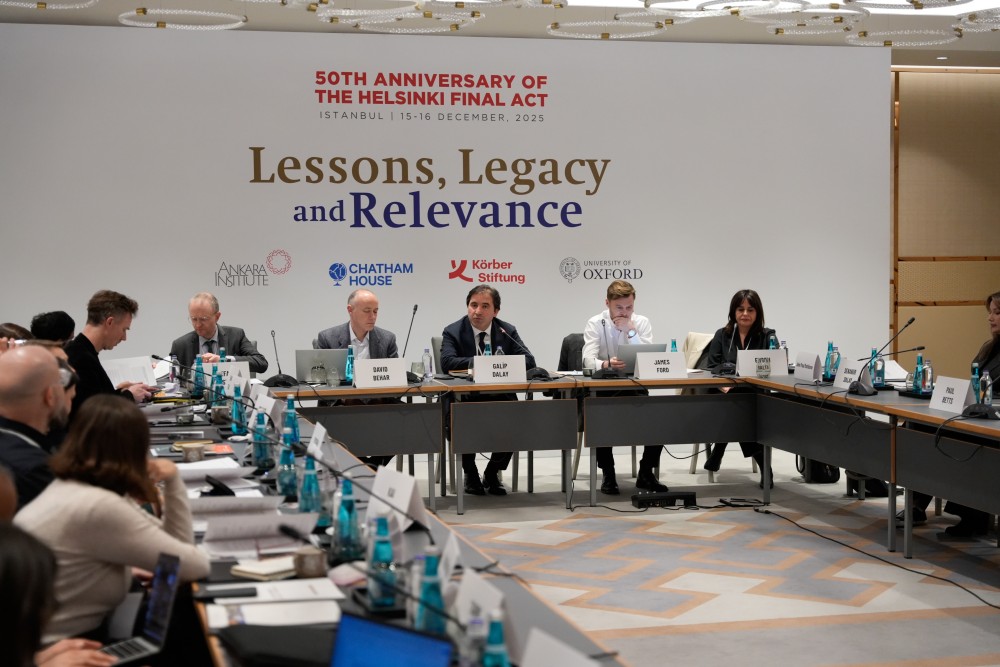
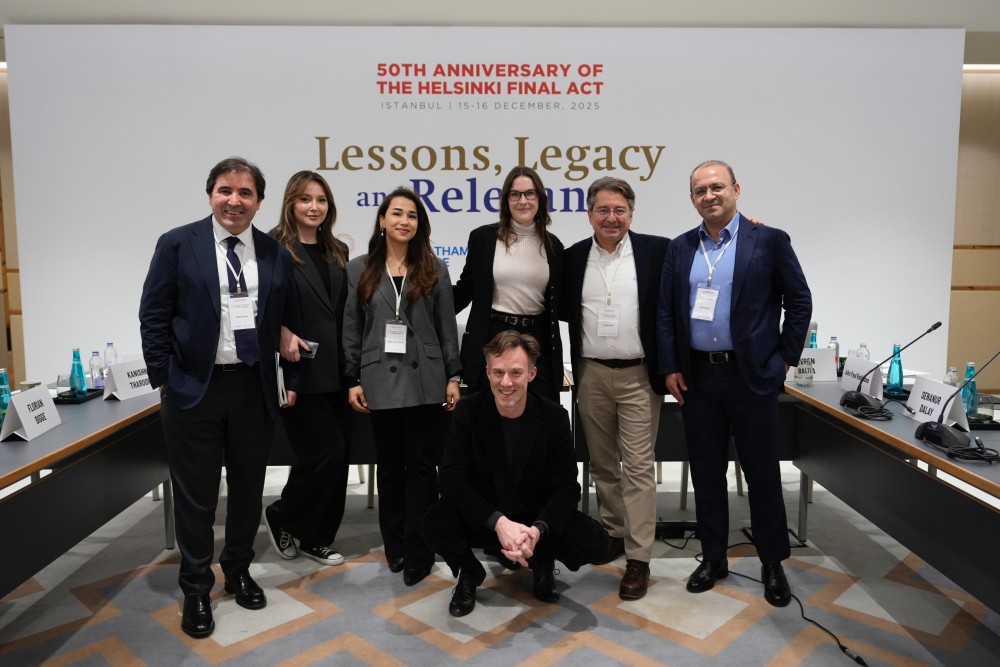
Photos from the roundtable sessions in Istanbul.